
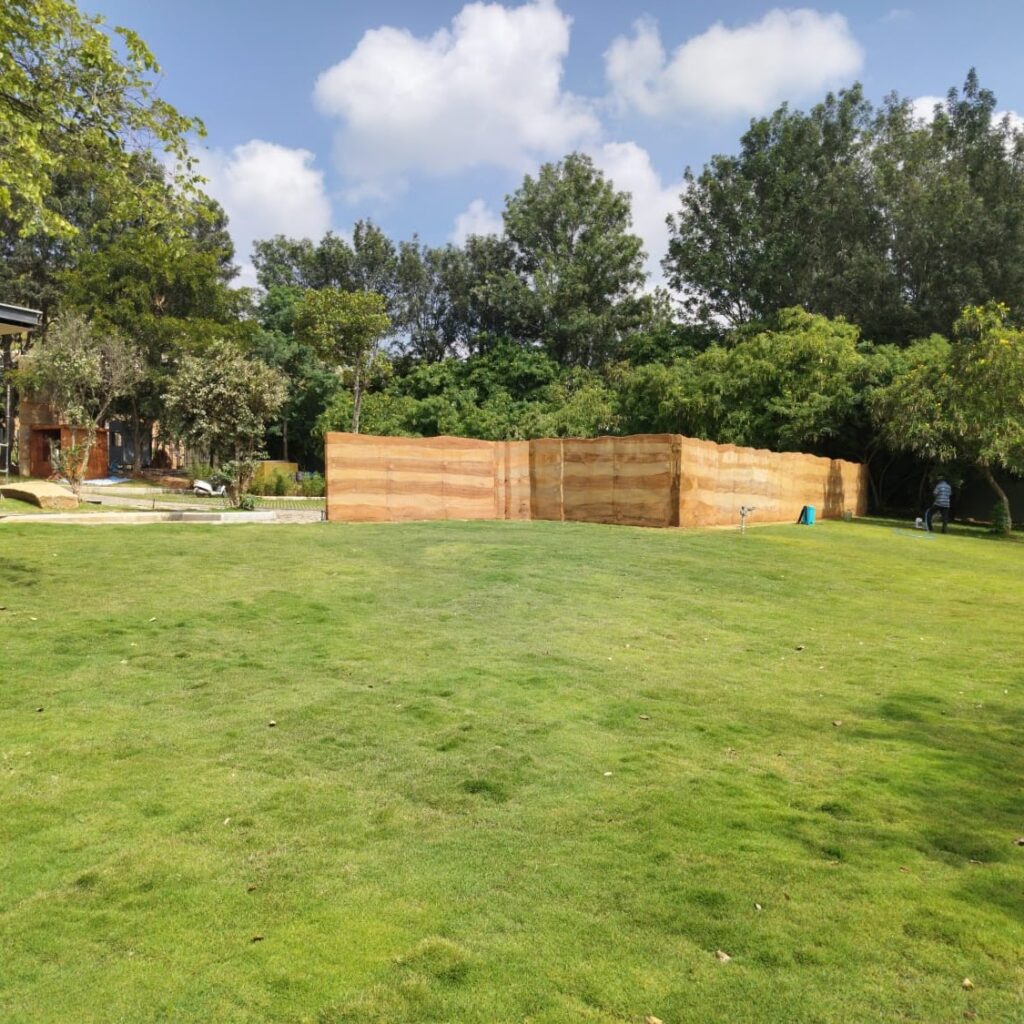
A Comprehensive Guide to Rammed Earth Construction
Are you planning to build a space that is simple, sustainable and architecturally unique? Rammed earth construction is an incredible building technique that combines traditional knowledge with modern design possibilities. It offers durability, environmental responsibility and natural visual appeal for residential and commercial projects.
What is Rammed Earth Construction?
Rammed earth construction is an ancient building method used across different cultures for centuries. It involves compacting a mixture of soil, sand, gravel and clay within formwork to create strong structural walls. Modern adaptations of this technique allow architects and engineers to design sustainable buildings that blend with their natural surroundings. Iconic examples such as contemporary rammed earth homes and institutional research centres demonstrate how this traditional construction approach continues to evolve and remain relevant in modern architecture.Rammed earth construction represents the perfect balance between sustainability, structural strength and timeless aesthetics.
Functional Applications of Rammed Earth
- Residential Homes – Increasingly used in modern houses for its energy efficiency, durability and natural design appeal.
- Educational Facilities – Schools and universities adopt rammed earth buildings as sustainable infrastructure solutions and learning examples.
- Cultural Centres – Museums and community spaces utilise rammed earth to combine heritage construction techniques with contemporary design.
- Public Parks and Gardens – Structures such as seating areas, retaining walls and pavilions integrate seamlessly with outdoor landscapes.
- Art Installations – Designers use rammed earth as a creative medium for sculptural and environmental installations.
- Outdoor Landscaping – Enhances both functionality and aesthetic value of landscaped environments.
Rammed Earth Construction Process
- Site Preparation – Clearing and levelling the construction area to ensure a stable base.
- Foundation Construction – A strong concrete foundation supports the rammed earth walls.
- Formwork Installation – Temporary moulds are set up to shape and support the wall structure.
- Material Mixing – Soil, sand, gravel and water are blended in appropriate proportions.
- Layer Compaction – The mixture is placed in layers and compacted to achieve density and strength.
- Curing – Walls are allowed to dry and gain structural stability over time.
- Finishing – Protective coatings or decorative treatments enhance durability and appearance.
Benefits of Rammed Earth Construction
- Sustainability – Uses locally available natural materials, reducing environmental impact and transportation costs.
- Durability – High compressive strength enables resistance to weathering and erosion.
- Energy Efficiency – Thermal mass properties help regulate indoor temperature and reduce energy consumption.
- Noise Reduction – Dense wall composition minimises external sound transmission.
- Aesthetic Appeal – Unique textures and colour variations create visually distinctive structures.
Challenges of Rammed Earth Construction
- Weather Dependency – Construction progress can be affected by rainfall or high humidity.
- Time-Intensive Execution – Layer-by-layer compaction requires careful and gradual implementation.
- Requirement for Skilled Labour – Proper material preparation and compaction demand experienced workmanship.
- Design Limitations – Structural modifications after construction can be complex.
- Maintenance Needs – Periodic inspection and repair help maintain structural longevity.
- Climate Sensitivity – Environmental conditions influence performance and durability.
- Cost Considerations – Specialised equipment and expertise may increase initial construction costs.