Designing Landscapes for Wellness Centers – Creating Healing Environments through Sustainable Design
Designing landscapes for wellness centers involves unique challenges such as creating calm and restorative environments, integrating water elements, and establishing green spaces that support holistic healing. Thoughtfully planned landscapes play a vital role in improving the physical, emotional and psychological well-being of visitors.
At Karmik Infra, we specialise in delivering hardscaping and softscaping solutions that are carefully tailored for wellness-focused environments. Our approach combines aesthetics, sustainability and functionality to create spaces that truly enhance the healing experience.
When one of Bangalore’s emerging wellness centers approached us with a vision to transform an unkempt natural setting into a serene therapeutic retreat, we began work with a commitment to create a harmonious and rejuvenating landscape.
Wellness landscapes should not only look beautiful but must also support relaxation, mindfulness and long-term environmental balance.
Key Landscape Features Developed for the Wellness Center
- Water Features – Therapeutic water elements and reflexology pathways were incorporated to create a soothing atmosphere. These visual and sensory features contribute to mental relaxation and enhance the overall healing environment.
- Sustainability Initiatives – Rainwater harvesting systems and energy-efficient design practices were implemented to reduce environmental impact while ensuring long-term operational efficiency.
- Native Plant Integration – Indigenous plant species were used extensively to promote biodiversity, minimise maintenance needs and create a natural connection between visitors and the surrounding ecosystem.
- Sustainable Material Selection – Environmentally responsible materials were chosen to ensure durability while aligning with the holistic principles of wellness-focused infrastructure.
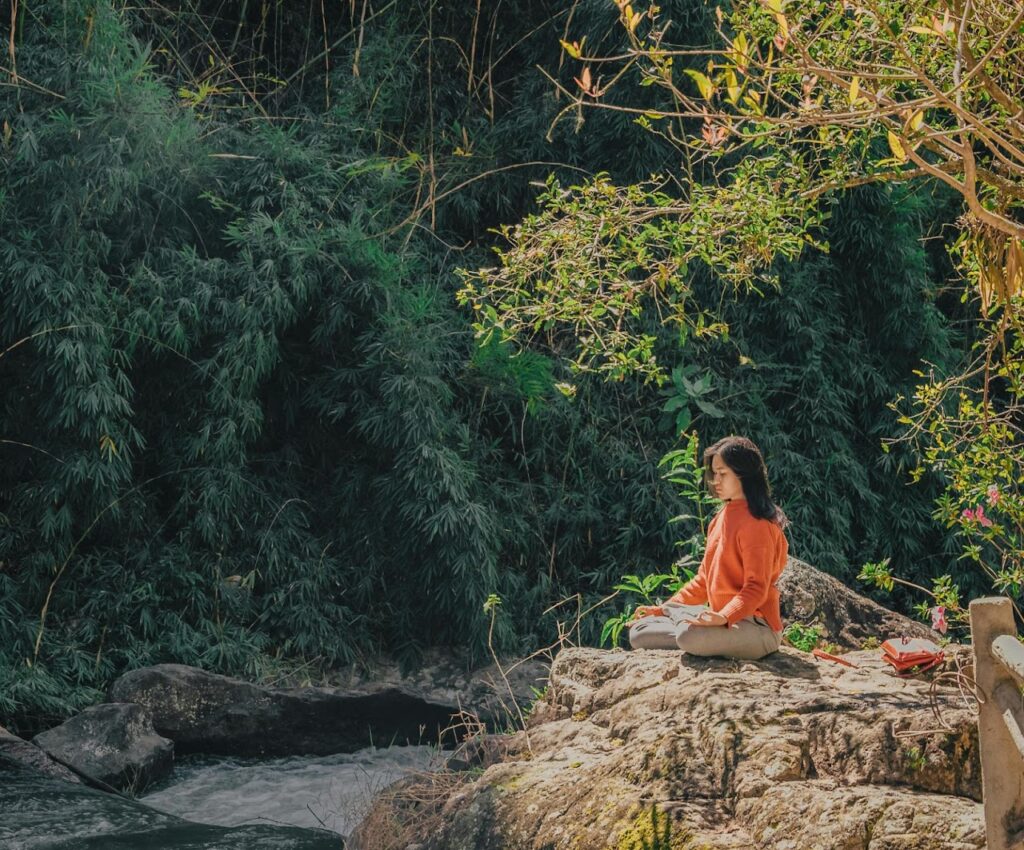
- Green Activity Spaces – Landscaped lawns were designed for yoga, meditation and wellness activities. Shade-providing trees and air-purifying plants helped create a comfortable outdoor environment.
- Natural Construction Techniques – The use of natural building materials such as rammed earth enabled the creation of structures that offer thermal comfort while blending seamlessly into the landscape.
- Biodiversity Enhancement – The introduction of plant varieties that attract birds and butterflies helped establish balanced ecological habitats and enhance the sensory experience of visitors.
- Public Open Spaces – Community interaction zones were designed to encourage social engagement, relaxation and a sense of belonging among visitors and staff.